‘Collective action by working people has transformed Australian history time and again’
Tuesday, May 13, 2025, 02:41 AM | Source: Pursuit
Liam Byrne
By the time Ellen Cresswell was called on to testify before the Royal Commission in August 1883, she had led a strike, been sacked, been widowed, founded a union and grieved the loss of a child.
Having spent the majority of her adult life working as a tailoress in factories across Melbourne, Cresswell was highly skilled in her trade, but she still had trouble making ends meet.
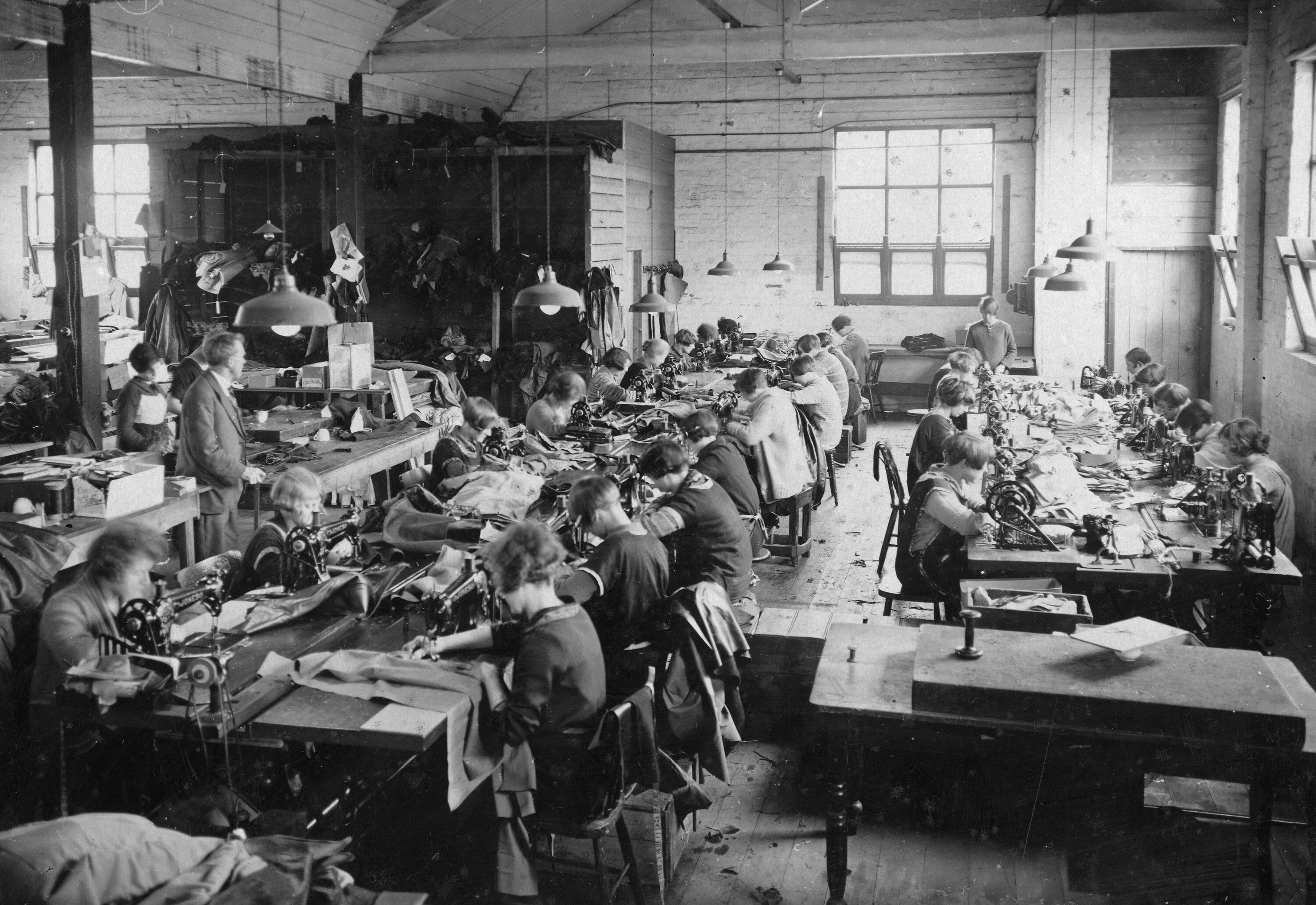
Like most tailoresses, she was not paid an hourly wage, but a set rate for each article of clothing she completed.
It was common for workers such as Cresswell to finish their day at the factory and then to take more garments home and toil through the night. Days spent at one machine were followed by nights bound to another.
If workers complained about the low rates of pay, Read the full article on Unimelb Pursuit...